Valuing Diversity and Debunking Racism
Racism, Childhood Ideology, and Trauma: A Mental Health Perspective
My client shared with me a disturbing experience she had with a 5-year-old. She works as a live-in nanny for a certain family who identifies as a group that is favored by God and that every other race on this earth is inferior to them. The child that she has been providing care for over the years returned home from school and informed her he should not be interacting with people that look like her or worship a God that is different to his. In session we discussed the fundamental teaching of this group that teaches all human beings, regardless of race or ethnicity are created in the image of God and are therefore of equal and infinite value. My client was distraught. She is at the point where she is considering leaving this family since the political implication of this 5-year-old ideology is being shaped to discriminate against people of other races, which is fundamentally different from the
main tenets of his religion.
In session my client expressed disappointment that in today’s world there are groups of people who are intentionally accommodating an ideology that identifies people and societies into confining social positions. This type of ideology ignores historical interethnic interaction amongst people who depended on one another to trade, for hospitable accommodation, sharing cultural knowledge and to live.
Many people now focus on teaching children ideologies that overlook a deep history of interethnic relations. As someone of mixed race, I’ve observed that some social groups worldwide maintain rigid identities and often oppose those they consider “others.” In my view, this type of thinking leads to feelings of alienation and can be linked to global conflict.I can see why my client is thinking about leaving her job since this 5-year-old child is letting her know that she is not the kind of person that he is allowed to interact with.
Ethnic groups form when people living in specific areas develop unique lifestyles and languages and see themselves as distinct communities with separate histories. Before market capitalism, wage labor, and individualism, kinship was central to personal identity. Even in advanced ancient societies like Rome, family ties defined social status. In many patrilineal cultures of the Middle East, Africa, and the Mediterranean, people were recognized by their father’s lineage, a tradition reflected in the genealogies listed in texts such as the Book of Genesis. At one time across the Mediterranean region, despite limited access to modern transportation, individuals from diverse backgrounds engaged in significant interethnic interactions encompassing numerous cultures and communities. Populations often retained their ethnic identities, but change was seen as inevitable and was welcomed as societies learned from one another.
Different cultures generally coexisted peacefully, with outsiders often taking specific roles in major cities. Additionally, people from various ethnic backgrounds often married each other, primarily because marriage served as a tool for political or economic advantage. This still happens today, except that groups now use race as a tool to prevent cultures from mixing and coexisting.
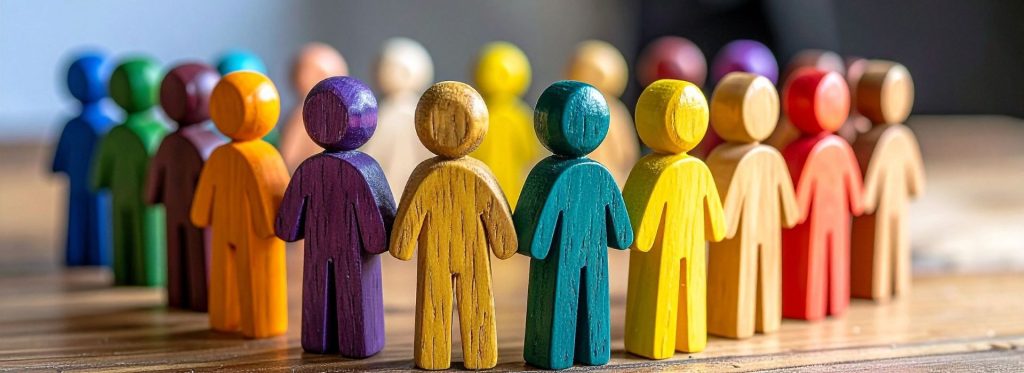
It is regrettable that factors such as race and religion, which are socially constructed, can lead to division rather than foster stronger relationships rooted in shared interests, values, and beliefs. Promoting flexible interactions based on these commonalities may be more constructive than encouraging rigid identities derived from social ideologies.
In the past, societies were identified by their ethnic names or place of origin, and these identities were often flexible. For example, Paul of Tarsus sometimes called himself Roman for convenience, and ancient texts recount others who changed their ethnic identity for personal reasons. I can see why it has become difficult for my client to continue working in an environment that sees her as an inconvenience rather than a person that is making an important contribution to the overall wellbeing of a child. We should promote behaviors that prevent racist thinking. It is essential to support individuals affected by trauma stemming from racist ideologies and discriminatory practices, particularly in environments where many experience feelings of insecurity due to such discrimination. Parents and adult role models have a responsibility to address the detrimental effects of racism on both individuals and the broader society.
Societies that promote and maintain racist ideologies under religious pretexts may contribute to traumatic stress, whether resulting from isolated critical incidents or prolonged systemic policies. Individuals, as living systems interconnected with their environment and other entities in a broader network, engage in regulatory mechanisms to restore equilibrium and maintain functionality. The system’s various components collaboratively participate in processes of adjustment and adaptation, enabling sustainable collective existence. And if this is a belief that is ingrained in the minds of oppressed societies, change is very unlikely.
The bottom line is everyone needs everyone to recover and manage the day-to-day challenges of life that racism and discrimination make more difficult. Recognizing the impact of such harmful ideologies on young minds is crucial, as early exposure can shape a child’s worldview and influence how they interact with others throughout their lives. It is important for caregivers and educators to foster environments where diversity is celebrated and empathy is encouraged, ensuring children learn to value people for their character and contributions rather than superficial differences. As a therapist working with trauma survivors, I think it is vital to create safe spaces where individuals can share their experiences and perspectives without fear of judgment or exclusion. Facilitating these conversations helps foster empathy and understanding, which are necessary for healing and growth within diverse communities. By encouraging respectful communication and mutual respect, society can begin to dismantle harmful ideologies and nurture environments where everyone feels valued.