The New Hope MHCS

Holiday Stress Is Real: Warning Signs, Triggers & Proven Coping Strategies

Holiday Stress Is Real: Warning Signs, Triggers & Proven Coping Strategies

The twinkling lights and cheerful carols paint a picture of joy, but behind the festive facade, millions of Americans struggle with a silent epidemic. Recent data reveals that over 80% of people experience increased stress during the holiday season, with one in four reporting that this year feels even more overwhelming than the last. What should be the most wonderful time of the year has become a minefield of emotional, financial, and social pressures that leave many feeling exhausted rather than energized.

Understanding holiday stress isn’t just about acknowledging its existence – it’s about recognizing the real and measurable impact it has on our mental health, physical well-being, and relationships. Whether you’re searching for “anxiety counseling near me” or wondering if what you’re feeling is normal, this comprehensive guide will help you identify the warning signs and equip you with practical strategies to reclaim your peace this season.

Understanding Holiday Stress: More Than Just Seasonal Blues

Holiday stress differs from everyday stress in both intensity and complexity. While regular stress might stem from a single source, holiday stress compounds multiple pressures simultaneously. Financial strain tops the list, with 46% of Americans citing gift-buying costs as their primary stressor. But the roots run deeper than just money.

Grief and loss intensify during the holidays, affecting 47% of people who find themselves missing loved ones who are no longer present. Family dynamics add another layer of complexity, with 35% of individuals dreading challenging interactions with relatives. For many, the pressure to create “perfect” celebrations while managing work obligations, social commitments, and personal expectations creates an impossible standard that guarantees disappointment.

The physiological impact is undeniable. Research shows that 30% of people get less sleep during the holidays, while 37.5% report worsening mental health. This isn’t just feeling a bit tired or grumpy – it’s a measurable decline in well-being that can trigger serious health consequences if left unaddressed.

Recognizing the Warning Signs: When Holiday Cheer Turns to Chronic Stress

Many people dismiss their symptoms as “just the holidays,” but recognizing warning signs early can prevent minor stress from escalating into a full-blown crisis. If you’re experiencing several of these symptoms, it’s time to take action:

Physical symptoms include persistent fatigue that doesn’t improve with rest, frequent headaches or muscle tension, digestive issues, changes in appetite (eating significantly more or less than usual), and increased susceptibility to illness. The holidays trigger unhealthy eating patterns in nearly half of Americans, with 48.9% admitting to eating until uncomfortably full at some holiday meals.

Emotional warning signs manifest as persistent irritability, mood swings, feeling overwhelmed by simple tasks, difficulty experiencing joy even during activities you normally enjoy, and crying more easily. Women report higher stress levels than men during this season, with 32.3% of women experiencing sleep disruption compared to 21.8% of men.

Behavioral changes serve as red flags that stress is taking over. Watch for social withdrawal, increased alcohol consumption (affecting 31.9% of people during holidays), procrastination on holiday tasks despite time pressure, canceling plans you previously committed to, and difficulty concentrating or making decisions.
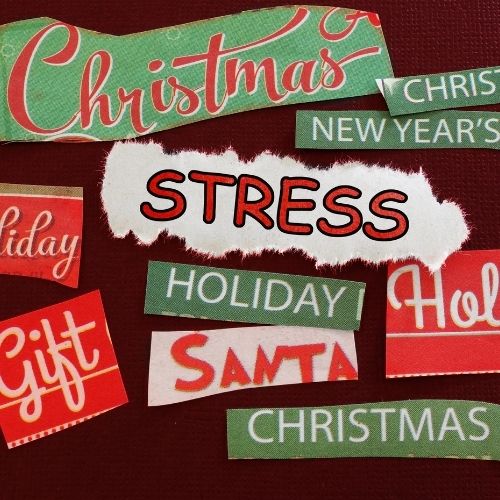

Holiday Stress Is Real

Cognitive symptoms include racing thoughts, especially at night, persistent worry about money or social situations, difficulty focusing on work or conversations, memory problems, and catastrophic thinking. If you find yourself lying awake at 3 AM mentally calculating gift budgets or rehearsing difficult family conversations, your stress response has moved beyond normal concern.

The Hidden Triggers: What Makes Holiday Stress Worse

Beyond the obvious stressors, several hidden factors intensify holiday anxiety. Understanding these triggers helps you develop targeted coping strategies.

Financial pressure without boundaries creates a vicious cycle. Nearly 23% of people spend more than the previous year without budgeting, while only 35% create a spending plan. This uncontrolled spending leads to post-holiday debt that compounds stress into the new year.

The perfection trap sets unrealistic expectations that guarantee failure. Social media amplifies this pressure by showcasing curated images of flawless celebrations, making your own reality feel inadequate by comparison. When you hold yourself to impossible standards of the “perfect holiday,” disappointment becomes inevitable.

Holiday Stress Is Real

Disrupted routines undermine the healthy habits that normally keep stress manageable. Regular exercise decreases, sleep schedules become erratic, and nutritious eating gives way to constant indulgence. These disruptions compound stress by removing your usual coping mechanisms precisely when you need them most.

Forced social situations require navigating complex family dynamics, potentially triggering discussions about politics, personal life choices, or past conflicts. For many, the obligation to spend time with difficult relatives creates weeks of anticipatory anxiety.

Evidence-Based Coping Strategies: Taking Back Control

Managing holiday stress requires a proactive, multi-faceted approach. These science-backed strategies can significantly reduce your stress levels and help you genuinely enjoy the season.

Financial Stress Solutions

Create a realistic budget before any shopping begins. List every person you plan to buy for and set a maximum amount for each. Build in a 10-15% buffer for unexpected costs, but commit to not exceeding your total budget. Consider alternative gifting approaches: handmade items, experiences rather than objects, or agree to gift exchanges that limit spending.


Shop strategically during weekdays or evening hours when stores are less crowded. Spread purchases across several weeks rather than panic-buying everything at once. Remember that going into debt for gifts creates far more lasting stress than a modest present brings momentary joy.

Boundary Setting and Social Management

You don’t have to attend every event or please every person. Calendar only the gatherings you genuinely want to attend, and politely decline the rest. A simple “Thank you for thinking of me, but I won’t be able to make it” requires no further explanation or apology.

Prioritizing Self-Care During Chaos

Schedule self-care activities with the same commitment you give to social obligations. Block out time for activities that recharge you: reading, walking in nature, exercising, or simply sitting quietly with a cup of tea. Treat these appointments as non-negotiable.


Maintain sleep hygiene even during busy weeks. Aim for consistent bedtimes, limit screen time before sleep, and create a calm bedroom environment. The 30% who experience holiday sleep disruption set themselves up for compounded stress throughout the season.

Nutrition and Substance Awareness

While occasional indulgence is part of celebration, constant overconsumption worsens both physical health and mental well-being. Eat mindfully at holiday meals, paying attention to fullness cues. Alternate alcoholic drinks with water. The 32% who drink more during holidays often find that alcohol disrupts sleep quality and intensifies depressive symptoms despite providing temporary relaxation.

Seeking Professional Support

If stress becomes overwhelming despite your best efforts, professional support can make a significant difference. Mental health counseling provides evidence-based strategies tailored to your specific situation. Many people search for “therapist near me” or “mental health counseling near me” during this season, recognizing when they need expert guidance.


Therapy isn’t only for crisis situations – it’s a valuable tool for learning sustainable stress management techniques, processing difficult emotions around family dynamics or grief, and developing healthier thought patterns. Cognitive-behavioral therapy (CBT) has proven particularly effective for anxiety and stress management, helping individuals identify and change unhelpful thinking patterns.

Finding Support in Your Community

If you’re wondering where to find mental health services near you  or anxiety treatment near you  several resources can help. Local mental health clinics offer comprehensive services ranging from individual therapy to group support sessions. Community mental health centers often provide sliding-scale fees based on income, making treatment accessible regardless of financial constraints. If you are in New York then The New Hope Mental Health Clinic provides compassionate, evidence-based treatment tailored to individual needs. With experienced therapists specializing in anxiety, depression, and stress management, they offer both in-person and virtual appointments to accommodate busy schedules.

Looking Forward: Building Resilience Beyond the Holidays

The coping strategies you develop for holiday stress serve you year-round. Building strong boundaries, maintaining self-care routines, managing finances responsibly, and seeking support when needed create resilience that extends far beyond December.

If this holiday season has revealed that your stress levels need attention, consider that awareness a gift. Many people struggle for years before acknowledging they need support. Taking action now – whether that means therapy, support groups, or simply implementing better self-care – prevents minor stress from becoming chronic mental health challenges.

Remember that seeking help isn’t weakness – it’s wisdom. Whether you’re dealing with grief, financial anxiety, family conflict, or simply feeling overwhelmed, professional support can provide the tools and perspective you need to not just survive the holidays, but actually find moments of genuine peace and connection within them.

Skip to content