The New Hope MHCS

When Holiday Celebrations Bring Worry Instead of Joy

The holidays are often described as a time for family, celebration, and togetherness. There are invitations to accept, meals to prepare, traditions to maintain, and people you may not have seen in months.

But if someone you love is struggling with alcohol, the holiday season can bring a different kind of tension.

You might find yourself watching how much they drink at dinner. You may wonder whether a family gathering will end in an argument or whether they will be able to get home safely. Perhaps you have started making excuses for their behavior because you do not want other relatives to know what is happening.

You may love this person deeply and still feel angry, frightened, or exhausted by their drinking.

Those feelings can exist together.

When alcohol use begins affecting someone’s health, relationships, responsibilities, or safety, it may be time to seek professional support. The holidays can make these concerns more visible, but you do not have to wait for a special occasion or a serious incident before addressing them.

Why Can Alcohol Use Become More Difficult During the Holidays?

Holiday gatherings often involve alcohol, sometimes with the expectation that everyone will participate. For someone who already uses alcohol to cope with difficult emotions, these occasions can make it harder to recognize when drinking has become a problem.

Family conflict, loneliness, grief, financial pressure, social anxiety, and memories of difficult experiences can also contribute to increased drinking.

Someone may pour a drink to feel less anxious at a party. Another person may drink after a stressful family conversation because it seems to quiet their thoughts. Someone else may use alcohol to fall asleep after spending the day feeling overwhelmed.

The immediate relief can make drinking feel useful.

Over time, however, alcohol can contribute to sleep problems, mood changes, relationship conflict, and difficulties managing stress. A person may begin relying on it more frequently, even when they recognize that it is causing problems.

Not everyone who drinks during the holidays has an alcohol-related disorder. The concern is the pattern, the consequences, and whether the person feels able to control their drinking.

Signs That a Loved One May Be Struggling With Alcohol

Sometimes the signs are obvious. Other times, they develop gradually.

You might notice that your loved one drinks more than they intended, stays out later than planned, or repeatedly promises to cut back without being able to do so. Perhaps they become defensive when someone mentions their drinking, hide bottles, or seem unusually irritable when alcohol is unavailable.

Their drinking may begin affecting work, family responsibilities, finances, or relationships. They might miss important events, become unreliable, or continue drinking even after experiencing health or emotional difficulties.

Another sign is needing more alcohol to experience the same effects. Some people also experience withdrawal symptoms when they reduce or stop drinking.

According to the Substance Abuse and Mental Health Services Administration, warning signs can include difficulty cutting down, drinking longer than intended, cravings, increased tolerance, and continuing to drink despite negative consequences.

You do not need to identify every sign before expressing concern.

At the same time, it is better to focus on specific behaviors you have observed than to diagnose someone yourself.

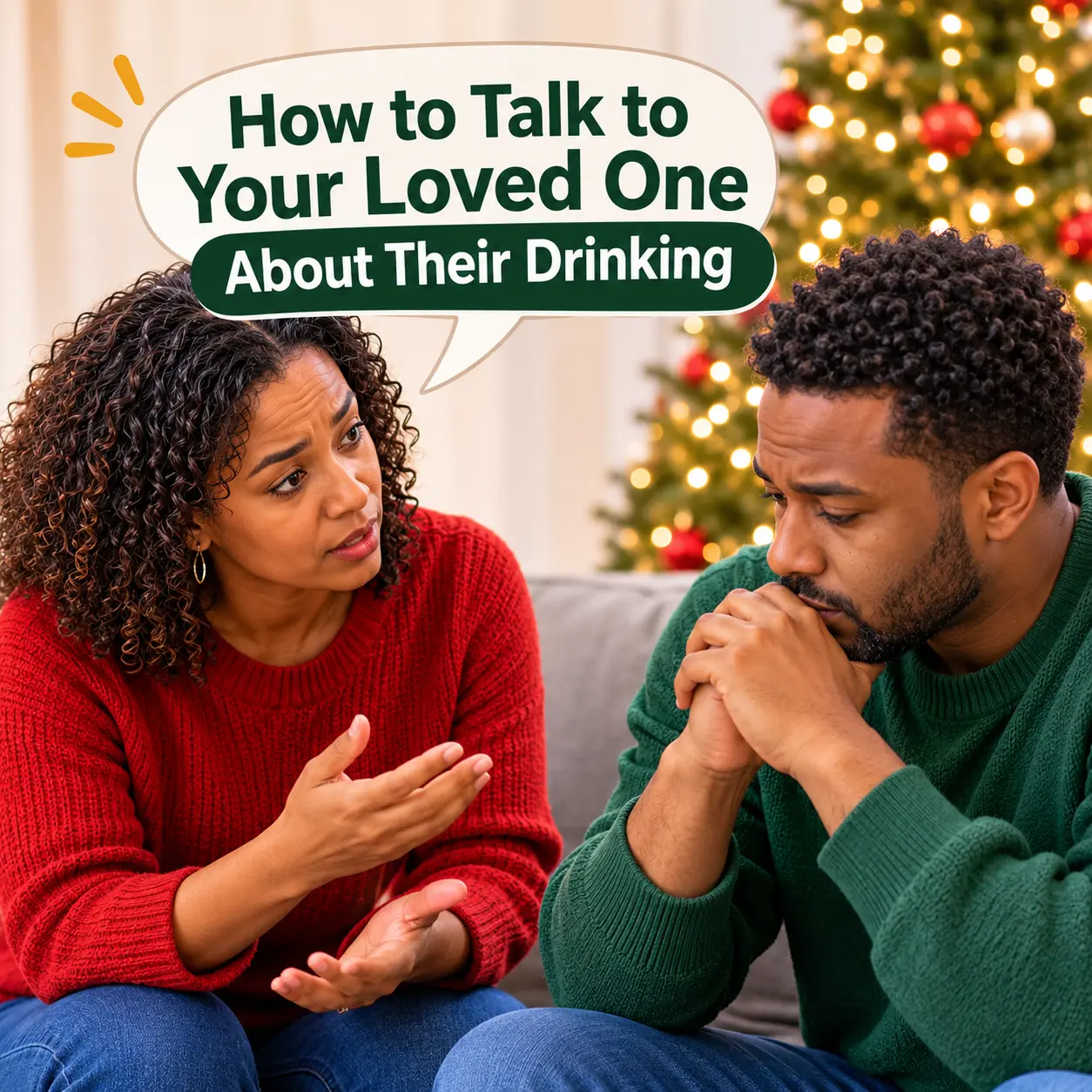
How to Talk to Your Loved One About Their Drinking

How to Talk to Your Loved One About Their Drinking

You may have rehearsed the conversation in your head several times.

Perhaps you have already tried bringing it up, only to end up arguing. Maybe your loved one insists that everyone drinks during the holidays or accuses you of exaggerating the problem.

It can be tempting to wait until you are angry enough to say everything at once.

Usually, a calmer moment is a better place to begin.

Choose a time when the person is sober and neither of you is in the middle of a conflict. Talk privately, away from children or other family members.
You might say, “I’ve been worried about how much you’ve been drinking lately. I noticed you missed dinner with the family last weekend, and I felt concerned. Can we talk about what’s been going on?”

This approach describes what you have observed without attacking the person’s character.

Try to listen to their response, even if you disagree with it. They may feel ashamed, defensive, or genuinely unaware of how their drinking has affected others.

You do not have to settle everything in one conversation.

If they are not ready to talk, you can explain that you care about them and are willing to revisit the conversation. If they become threatening or aggressive, prioritize your safety rather than trying to force a discussion.

What If They Deny There Is a Problem?

Denial can be frustrating, especially when the effects of drinking seem obvious to everyone else.

You may feel that if you could just find the right words, they would finally understand.

Unfortunately, you cannot make another adult recognize a problem or accept treatment simply by explaining it more forcefully.

What you can do is remain clear about what you have observed, avoid arguing about labels, and set boundaries around behavior that affects you.

For example, you might decide that you will not ride in a car with someone who has been drinking, lend money that may be used to buy alcohol, or allow intoxicated behavior around children.

Boundaries are not punishments. They are decisions about what you can safely accept and what you will do if a situation becomes unsafe.

You can care about someone without protecting them from every consequence of their drinking.

How to Support Someone Without Losing Yourself

When a loved one is struggling, your attention can gradually become organized around their behavior.

You may check their messages, monitor how much they drink, worry about their whereabouts, or spend hours trying to prevent the next crisis.

You might stop making your own plans because you do not want to leave them alone. Or perhaps you avoid talking about your feelings because you worry that expressing frustration will make things worse.

This is exhausting.

Supporting someone with an alcohol problem does not mean taking responsibility for their recovery.

You can encourage professional help, offer to research treatment options, accompany them to an appointment if they want you to, or help them identify practical next steps.

You can also seek support for yourself.

Individual counseling, family support services, and groups for people affected by another person’s drinking can provide a place to talk honestly about the impact on your life.

You deserve somewhere to discuss your own fear, resentment, sadness, and uncertainty without having to manage someone else’s reaction.

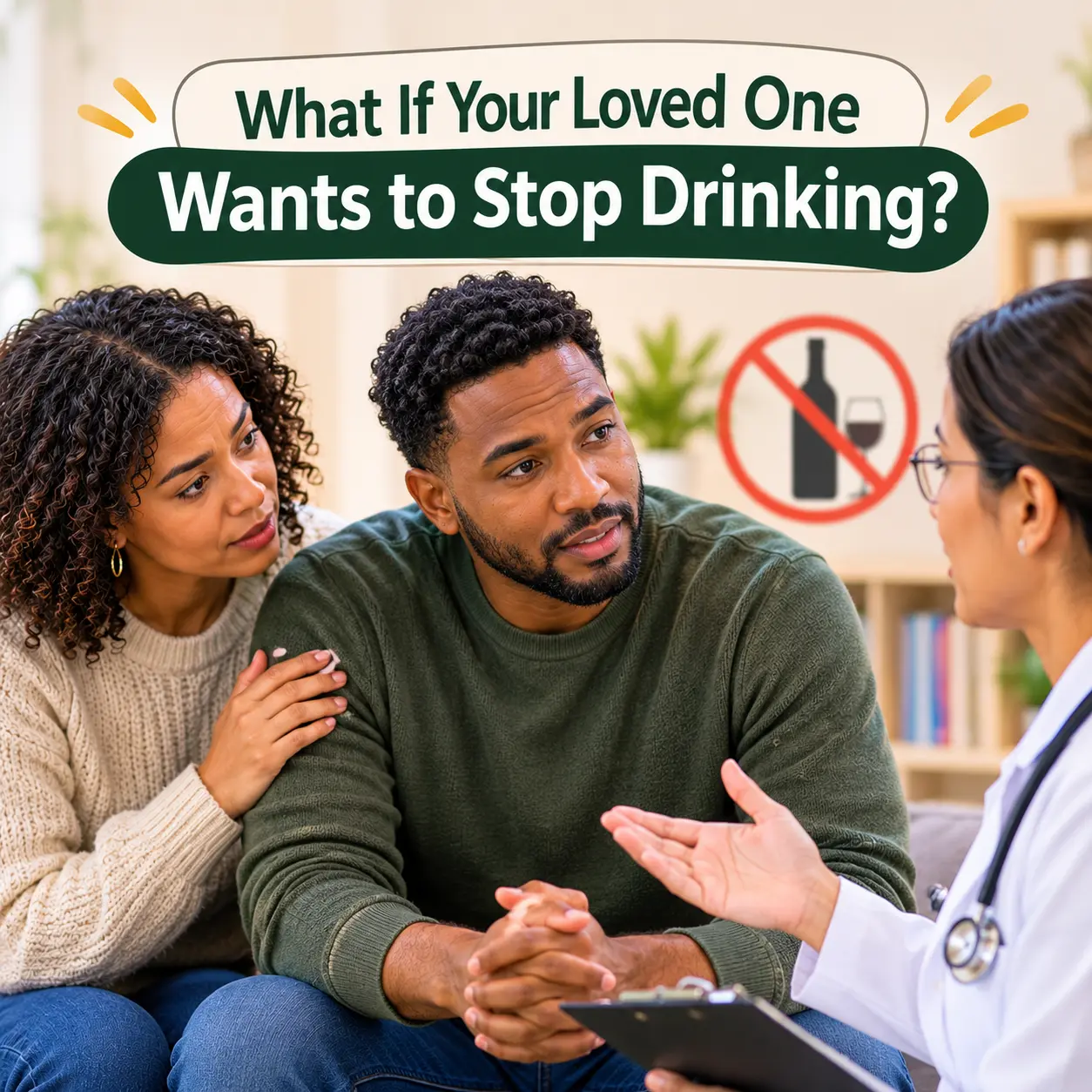
What If Your Loved One Wants to Stop Drinking?

If your loved one acknowledges the problem, a conversation with a healthcare professional can help determine the next steps.

Treatment may involve counseling, medical care, medication, peer support, or a combination of approaches. The right plan depends on the person’s drinking pattern, physical health, mental health, and individual circumstances.

One important safety issue deserves particular attention.

A person who has been drinking heavily or regularly may experience dangerous withdrawal symptoms if they suddenly stop. Withdrawal can involve shaking, sweating, anxiety, vomiting, and, in severe cases, seizures or delirium. Medical advice is especially important before stopping when dependence may be present.

What If Your Loved One Wants to Stop Drinking

Do not attempt to manage severe withdrawal at home. Seek emergency medical care if serious symptoms occur.

Alcohol-related problems can also coexist with depression, anxiety, trauma, or other mental health concerns. Addressing those difficulties may be an important part of treatment.

When Should You Consider Counseling?

You may benefit from professional support if you feel anxious about your loved one’s drinking, find yourself constantly monitoring their behavior, experience repeated conflict, or struggle with guilt about setting boundaries.

Therapy can help you understand your own emotional responses, communicate more clearly, and decide how to protect your wellbeing while remaining compassionate.

If you are searching for a Mental Health Counselor in New York, look for a Licensed professional who can address family stress, relationship difficulties, or the emotional impact of a loved one’s substance use.

If your loved one is willing to seek help, ask potential providers about their experience with alcohol-related concerns and whether they offer appropriate individual or family counseling.

Finding Support in New York During the Holidays

At The New Hope Mental Health Counseling Services, people seeking mental health services in New York can ask about counseling for stress, relationship difficulties, and other emotional concerns. If a loved one’s drinking is affecting your wellbeing, you can explore whether the practice offers services suited to your needs.

You do not have to wait until after the holidays to acknowledge that something is wrong.

You may still love the person. You may still hope that things will change. You may also feel tired of having the same argument or worrying about what will happen next.

You do not have to resolve all of those feelings at once.

Start with what is happening now, what you can control, and what support you need. Sometimes that is the most practical place to begin

Holiday Stress Counseling - Your Questions Answered (FAQs)

1. How can I tell if my loved one has a drinking problem?

Warning signs may include repeatedly drinking more than intended, unsuccessful attempts to cut back, cravings, neglecting responsibilities, relationship problems, and continuing to drink despite negative consequences. A qualified healthcare professional can assess whether an alcohol-related disorder is present.

2. How do I talk to someone about their drinking during the holidays?

Choose a calm, private time when they are sober. Describe specific behaviors that concern you, explain how they affect you, and listen without judgment. Avoid trying to force the conversation during an argument or while the person is intoxicated.

3. Should I encourage my loved one to stop drinking immediately?

If the person has been drinking heavily or may be physically dependent on alcohol, stopping suddenly can cause dangerous withdrawal. Encourage medical assessment so a safe treatment plan can be developed.

4. Can therapy help family members affected by alcohol misuse?

Yes. Individual counseling can help family members manage stress, establish boundaries, improve communication, and address the emotional impact of another person’s drinking. Family counseling may also be useful when everyone involved is willing to participate.

You can contact a licensed mental health counselor, therapist, or substance-use treatment provider. SAMHSA’s National Helpline can also provide confidential referrals to treatment services throughout the United States.

Take the first step toward better mental health!

Fill the Below Form and Schedule a Clinical Consultation with us today→

Skip to content