
The New Hope MHCS

Why Men Struggle to Talk About Mental Health

Why Men Struggle to Talk About Mental Health - And How That's Changing

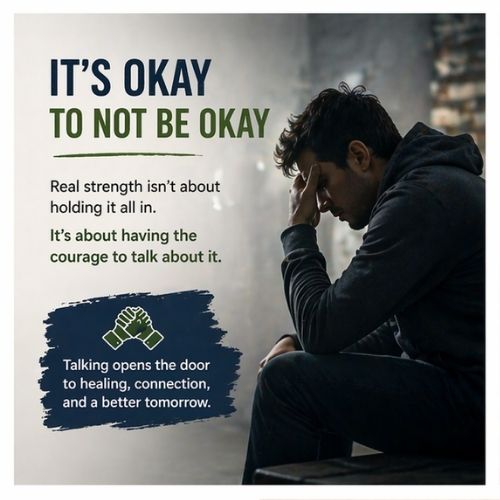
There is a particular kind of silence that surrounds men and mental health. It is not the silence of someone who has nothing to say. It is the silence of someone who has been taught, in ways both obvious and subtle, that saying it would be a mistake.

Men’s mental health is now one of the most discussed topics in wellness conversations worldwide, and for urgent reasons. Men are significantly less likely than women to seek mental health treatment, yet they account for nearly 80 percent of suicide deaths in the United States. Understanding why this gap exists – and how it is beginning to close – matters enormously.

The Cultural Roots of Male Silence

From an early age, many boys absorb messages about what it means to be a man: be strong, stay in control, do not cry, figure it out yourself. These messages come from parents, peers, media, and broader cultural norms. They are rarely delivered with harmful intent, but their cumulative effect is powerful.

By adulthood, many men have internalized the idea that emotional vulnerability is a form of weakness – something to be avoided or hidden. Admitting to anxiety, depression, or feeling overwhelmed can feel like a betrayal of identity. So instead, feelings get buried. Stress gets managed through work, alcohol, distraction, or silence.

This is not a character flaw. It is a learned response to cultural conditioning. And recognizing it as such is the first step toward something different.

representing men's mental health challenges

How Mental Health Struggles Show Up Differently in Men

One reason men’s mental health often goes unrecognized is that it tends to manifest differently than the textbook descriptions of depression or anxiety. While women are more likely to report sadness, tearfulness, and low energy, men are more likely to show irritability, aggression, risk-taking behavior, and withdrawal from relationships.

A man dealing with depression might seem angry rather than sad. Someone managing anxiety might throw himself into excessive work rather than expressing worry. These presentations can be mistaken for personality traits rather than symptoms, making it harder for the people around them – and the men themselves – to recognize what is actually happening.

Healthcare providers are increasingly being trained to recognize these gender-specific presentations, which is beginning to improve early identification and care.

The Cost of Staying Silent

Untreated mental health conditions carry serious consequences regardless of gender, but the stakes for men are particularly high given how rarely they seek help. Chronic stress and depression are linked to heart disease, diabetes, substance abuse, and a significantly shortened lifespan. Relationship breakdown, job loss, and social isolation are also common downstream effects of unaddressed mental health struggles.

The silence, in other words, is not neutral. It has a cost – and that cost is paid not just by the individual, but by the families and communities around him.

What Is Actually Changing

There are genuine signs of progress. Public figures – athletes, musicians, executives – are speaking openly about their mental health struggles in ways that would have been unthinkable a decade ago. These conversations are shifting cultural norms in meaningful ways.

Workplaces are increasingly recognizing that employee wellbeing includes emotional health, and many are offering mental health benefits, Employee Assistance Programs, and destigmatized access to counseling. The COVID-19 pandemic also played a significant role in normalizing conversations about stress and mental health for men who had previously been reluctant to engage.

Online therapy has also lowered a key barrier. The privacy and convenience of virtual sessions remove the stigma of being seen walking into a therapist’s office – a detail that matters more than it should, but that clearly influences behavior.

Practical Steps for Men Who Are Struggling

Practical Steps for Men Who Are Struggling

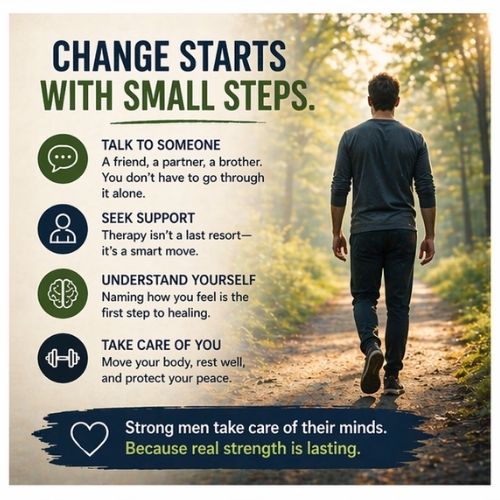
If you are a man reading this and recognizing yourself in any of these descriptions, here are some concrete starting points:

  • Name what you are feeling. You do not need the right vocabulary. Just acknowledging to yourself that something is off is a meaningful beginning.
  • Talk to someone you trust. A friend, a sibling, a partner. You do not need to have all the answers – just opening the conversation is enough.
  • Consider professional support. Therapy is not a last resort. It is a skill-building process with a trained guide. Many men find it surprisingly useful once they try it.
  • Be patient with yourself. Unlearning years of conditioning takes time. Progress is rarely linear.

At The New Hope Mental Health Counseling Services, we work with men navigating depression, anxiety, relationship challenges, and life transitions. Our licensed mental health counselors in New York provide a confidential, judgment-free space where you can speak honestly without fear of being diminished or dismissed. Visit www.thenewhopemhcs.com to explore your options.

The Bigger Picture

Men’s mental health is not a niche issue. It sits at the intersection of public health, family wellbeing, and cultural identity. The changes happening now are meaningful, but they are not yet complete.

Every man who chooses to seek help, talk to a friend, or simply acknowledge that he is struggling is contributing to a shift that benefits everyone. Strength, it turns out, looks a lot like honesty.

You can also enroll to our Men’s Support Group Virtual & In-Person Group Therapy

Take the first step toward better mental health!

Fill the Below Form and Schedule a Clinical Consultation with us today→

Skip to content