The New Hope MHCS

How to Do a Personal Year-End Audit for Your Mental Well-Being

Year-End Mental Health Audit: Guide for Self-Assessment

As we approach the final stretch of 2025, you’re likely reviewing your financial statements, organizing tax documents, and planning next year’s goals. But when was the last time you conducted an honest assessment of your mental health? In a year where mental wellness has become a global priority, taking inventory of your psychological well-being isn’t just beneficial – it’s essential.

This comprehensive guide will walk you through conducting your own year-end mental health assessment, complete with practical questions, actionable strategies, and professional insights to help you finish 2025 strong and enter the new year with clarity and purpose.

Why a Mental Health Audit Matters More Than Ever

The landscape of mental wellness has transformed dramatically. Mental health is no longer treated as a separate concern but as an integral component of overall health. According to the World Health Organization, half of all mental health conditions begin by age 14, making early awareness and intervention critical across all age groups.

A year-end mental health audit serves multiple purposes. It helps you identify stressors before they escalate into crises, recognize patterns in your emotional responses, evaluate whether your current coping strategies actually work, understand how life changes have impacted your well-being, and set informed, realistic goals for mental wellness in the coming year.

Think of this audit as preventive maintenance for your mind. Just as you wouldn’t ignore warning lights on your car’s dashboard, ignoring signs of mental health struggles only leads to bigger problems down the road.

Preparing for Your Mental Health Audit

Before diving into deep reflection, create the right conditions for honest self-assessment. Choose a quiet time when you won’t be interrupted, ideally allocating at least 60-90 minutes for this process. Gather materials including a journal or notebook, your calendar from the past year, any mood tracking apps or journals you’ve kept, and perhaps photos that represent significant moments.

Set your intention by approaching this exercise with curiosity rather than judgment. You’re not looking to criticize yourself but to understand your experiences more deeply. Remember that this audit is for you alone – complete honesty serves your growth, while self-deception helps no one.

Section One: Reviewing Your Emotional Landscape

Begin by examining your overall emotional state throughout 2025. Rate your average mood over the year on a scale from 1-10, with 1 being extremely poor and 10 being excellent. Identify your highest emotional points – what was happening during these times? Conversely, pinpoint your lowest points and the circumstances surrounding them.

Consider how frequently you’ve experienced various emotions. How often have you felt joy, contentment, anxiety, sadness, anger, or overwhelm? Notice if certain emotions have dominated your experience or if you’ve felt emotionally numb at times.

Examine your stress levels month by month. Were there particular periods of intense stress? What triggered these episodes? Did you notice physical symptoms accompanying emotional stress, such as headaches, digestive issues, sleep problems, or muscle tension?
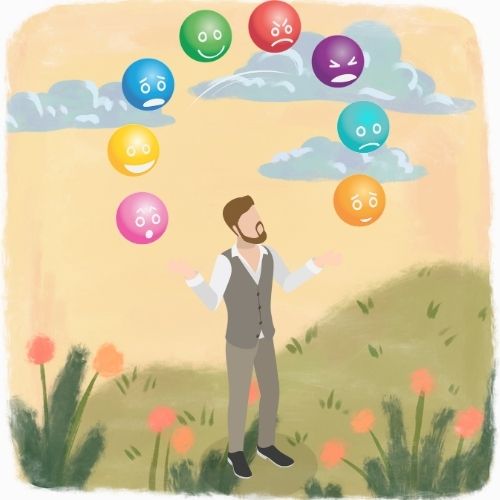
Assess your capacity for emotional regulation. When difficult emotions arose, could you process them effectively, or did they feel overwhelming? Did you find yourself reacting impulsively or shutting down emotionally? The ability to recognize and name your emotions represents a crucial aspect of mental health literacy, which experts now consider as important as reading and numeracy.

Section Two: Evaluating Your Relationships and Social Connections

Reflect on your closest relationships. Have they felt supportive and nourishing, or draining and stressful? Did you experience any significant relationship changes – new friendships, ended relationships, family conflicts, or deepening connections? How did these shifts affect your mental health?

Evaluate your social support system. Do you have people you can call during difficult times? Do you feel comfortable being vulnerable with others? Or have you been isolating yourself, withdrawing from social opportunities? Research shows that loneliness has become a significant public health concern, with profound effects on both mental and physical health.

Consider your boundaries in relationships. Did you consistently maintain healthy boundaries, or did you find yourself overextending to please others? Were you able to communicate your needs effectively? Boundary issues often manifest as resentment, exhaustion, or feeling taken advantage of – all of which significantly impact mental well-being.

Section Three: Assessing Your Self-Care Practices

Self-care isn’t indulgent – it’s essential maintenance for mental health. In 2025, there’s been a notable shift toward viewing self-care as a deliberate decision involving multisensory experiences: social, emotional, physical, and intellectual elements.

Examine your sleep patterns over the past year. Have you consistently gotten 7-9 hours of quality sleep? If not, what’s interfering – stress, poor sleep hygiene, screen time, or something else? Sleep disruption profoundly affects mood, cognitive function, and emotional regulation.

Review your physical activity. Research increasingly demonstrates the powerful connection between physical and mental fitness. Resistance training, cardiovascular exercise, stretching, and mindfulness practices all support holistic mental health. Did you maintain consistent movement throughout 2025, or did exercise fall by the wayside?

Consider your nutrition. The gut-brain connection is scientifically established, with gut health playing a critical role in mental state. Have you been nourishing your body with varied, nutritious foods, or relying heavily on processed options and stress eating?

Evaluate your substance use honestly. Did your alcohol consumption increase this year? Are you using substances to cope with difficult emotions? The normalization of drinking culture can mask problematic patterns, but self-awareness is the first step toward healthier choices.

Assess your engagement with activities that bring you joy. Did you make time for hobbies, creative pursuits, or simply doing nothing? Or did productivity culture leave you feeling guilty for rest? Remember that leisure and play aren’t luxuries – they’re necessary for psychological well-being.

Section Four: Examining Your Work and Life Balance

Workplace stress significantly impacts mental health. In 2025, employers are increasingly recognizing that addressing employee mental health isn’t just ethical – it’s economically essential, with comprehensive mental health benefits linked to higher productivity and engagement.

Evaluate your work-life boundaries. Can you truly disconnect from work after hours, or does it bleed into evenings and weekends? Do you use your vacation time, or do you feel too guilty or worried to step away? The inability to separate work from personal life creates chronic stress that erodes mental health over time.

Consider whether your work aligns with your values. Value misalignment creates existential stress that’s often harder to identify than situational stressors but equally damaging. If you spend 40+ hours weekly doing something that contradicts your core beliefs, that dissonance affects your overall well-being.

Section Five: Tracking Your Growth and Challenges

Personal growth happens through both triumph and struggle. Acknowledge what you’ve accomplished this year, including challenges you’ve overcome, new skills developed, difficult conversations navigated, personal insights gained, and ways you’ve shown up for yourself or others.

Also recognize what’s been difficult. What challenges felt overwhelming? What goals did you set but not achieve? Approach these reflections with compassion – unmet goals often reveal circumstances beyond your control or unrealistic expectations rather than personal failure.

Identify patterns in your struggles. Do certain situations consistently trigger anxiety or depression? Are there recurring conflicts in relationships? Do specific times of year consistently bring challenges? Pattern recognition is powerful because it allows you to anticipate and prepare for difficulties rather than being blindsided repeatedly.

Section Six: Evaluating Your Mental Health Support

Assess the mental health resources you’ve utilized this year. If you’re in therapy, has it been helpful? Do you feel heard and understood by your therapist? If therapy hasn’t been beneficial, that might reflect a poor therapeutic match rather than therapy itself being ineffective.

If you’re not currently receiving professional support but have been struggling, consider why. Common barriers include cost concerns, difficulty finding providers, uncertainty about where to start, stigma, and distrust of the medical system. Understanding your specific barriers helps you address them strategically.

For those using medication for mental health conditions, reflect on its effectiveness. Are you experiencing desired results? Are side effects manageable? Have you had consistent communication with your prescriber about adjustments? Medication management requires ongoing evaluation, not a set-it-and-forget-it approach.

Creating Your Action Plan for 2026

After completing your audit, synthesize your insights into concrete action steps. Based on your reflections, what are your top three mental health priorities for the coming year? Be specific. Instead of “reduce stress,” try “implement a 10-minute morning meditation practice” or “set boundaries around weekend work emails.”

Identify what’s working well and commit to maintaining those practices. Just as important as fixing problems is preserving what’s already supporting your well-being.

For areas needing improvement, break down large goals into manageable steps. If your audit revealed social isolation, you might commit to scheduling one social activity per week or joining a group centered around an interest.

When Professional Support Becomes Essential

Your audit might reveal that self-help strategies aren’t sufficient for what you’re experiencing. Seek professional support if you’re having thoughts of self-harm or suicide, experiencing panic attacks, finding daily functioning significantly impaired, noticing substance use escalating, feeling persistently hopeless, or recognizing that problems are worsening despite your efforts.

Finding quality mental health care in New York can feel overwhelming, but resources exist to help. Online therapist directories allow you to filter by specialty, insurance, and availability. Many practices like The New Hope Mental Health Clinic in New York now offer both in-person and virtual appointments, providing flexibility for busy schedules.

Moving Forward with Intention

Completing a mental health audit represents a significant act of self-care. By taking time to honestly assess your emotional well-being, you’ve demonstrated commitment to your mental health. This awareness positions you to enter 2026 with clarity about what you need to thrive.

Remember that mental health exists on a continuum. You don’t need to be in crisis to deserve support, and seeking help demonstrates strength rather than weakness. The growing emphasis on preventive mental health care in 2025 reflects understanding that early intervention prevents more serious challenges down the road.

Your mental well-being deserves the same attention you give to your physical health, career goals, and financial planning. By making mental health assessment a regular practice – whether annually, quarterly, or whenever you notice shifts in your emotional state – you create a foundation for lasting wellness.

The insights you’ve gained through this audit are only valuable if you act on them. Choose one or two priorities to address first rather than overwhelming yourself with wholesale life changes. Small, consistent steps create sustainable transformation that lasts far beyond New Year’s resolutions.

As you close out 2025 and look toward the future, carry forward the self-awareness you’ve developed. Your mental health journey is uniquely yours, requiring patience, compassion, and willingness to seek support when needed. You deserve to feel emotionally healthy, connected, and capable of navigating life’s challenges – and taking time to audit and nurture your mental well-being makes that goal achievable.

Skip to content